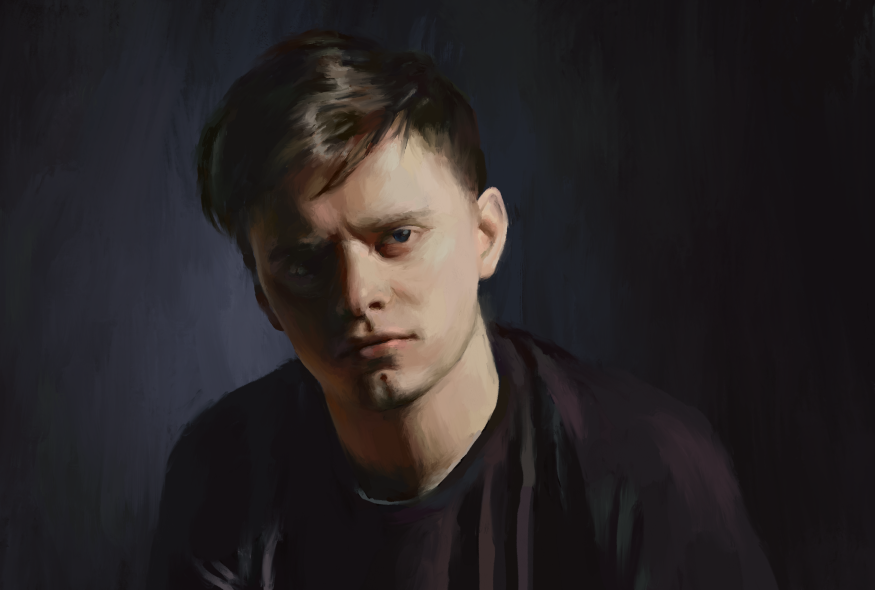
Roman Barvinok: Fiddler of the Streets and the Steppes
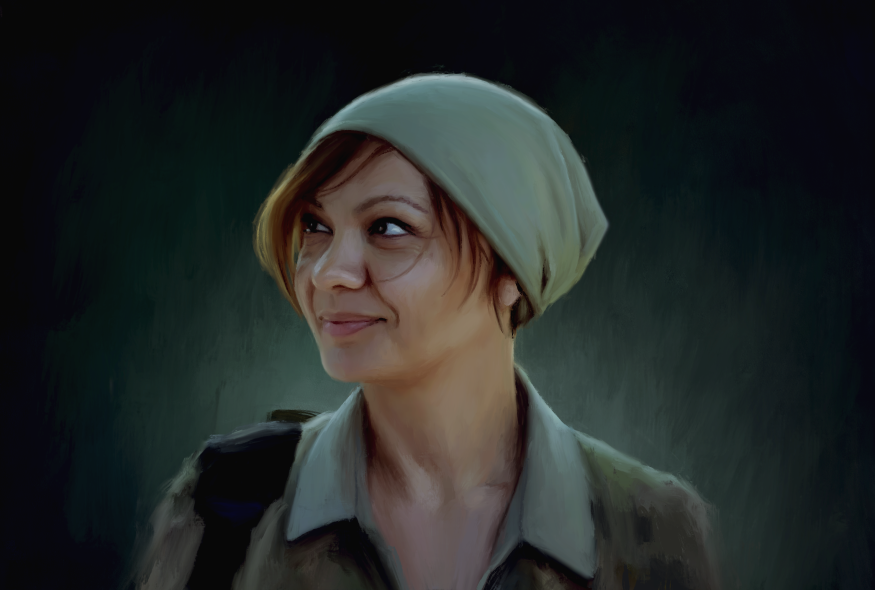
It seems that Roman "Fiddler" Barvinok appeared in people's lives out of nowhere. "He just came," recalled Yaryna Chornohuz, a military woman, poet, and organizer of the protest movement Spring on Granite. "He stood by us, and no one asked why."
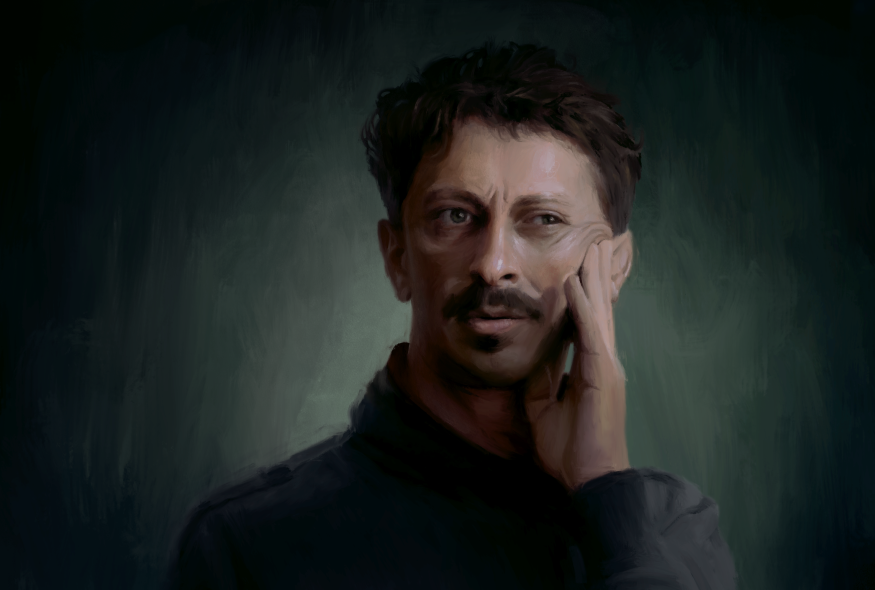
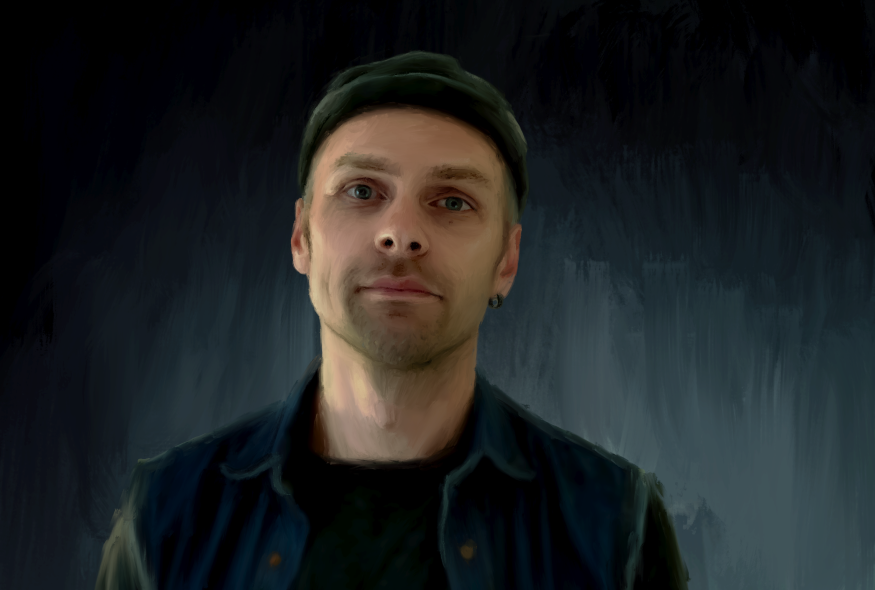
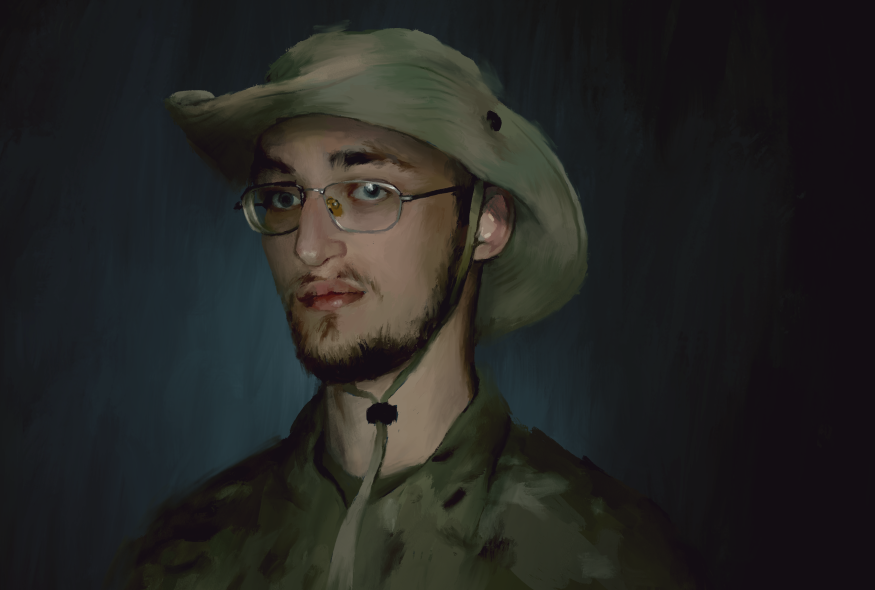
Roma called himself a minstrel, a street musician, "a kobzar if you will." He traveled the world with a violin in his backpack, always looking for kindred spirits. He longed for space, wind, and constant movement. And it all began by the sea.
Fiddler was born in Odesa and baptized in Dykanka, in the very same church from Mykola Gogol’s book "Evenings on a Farm Near Dykanka." At three years old, he began dancing, then at four, he started with music, and by five, he was already mastering the violin. At home, Roma’s mother only acknowledged classical and folk music, leading Roma to develop a deep attachment to composers like Vivaldi, Tartini, and Sarasate from a young age.
"He and his mother had a difficult relationship," said Maria, who met Roma in an art cafe on Baseina Street and later took him in as if he were her own son. "He addressed her formally and often ran away from home. He lived wherever he could, on the heating pipeline or with neighbors."
Fiddler always brought his violin along wherever he went. He carried sheet music and a music stand in his backpack and would often step out onto the streets of Odesa, Irpin, and later Kyiv, playing his violin under the open sky.
"He said he didn’t care where he played—on the streets or in the opera house," recalled journalist, military officer, and Roman’s fellow soldier, Olena Bilozerska. "Although, of course, he never played in the theater."
Small cafes in the capital city became Roma’s stage and, more often than not, underground passages. In one passage near Chokolivka, a little girl would always stop by him and listen with fascination as Fiddler played Paganini’s caprice until her frozen mother came to take her away. "Children," he wrote, "are my sincerest audience."
Everyone who heard Fiddler’s playing asked themselves the same question: Why didn’t he play in the philharmonic? Why play on cold streets and in dirty, dark passages? He would smile wryly and answer that a soldier must stand guard. "Even if his fingers freeze to the trigger." His trigger was the strings, but not only them. "We really wanted Roma to go study at the conservatory," said Maria. "And Roma wanted to go to the army."
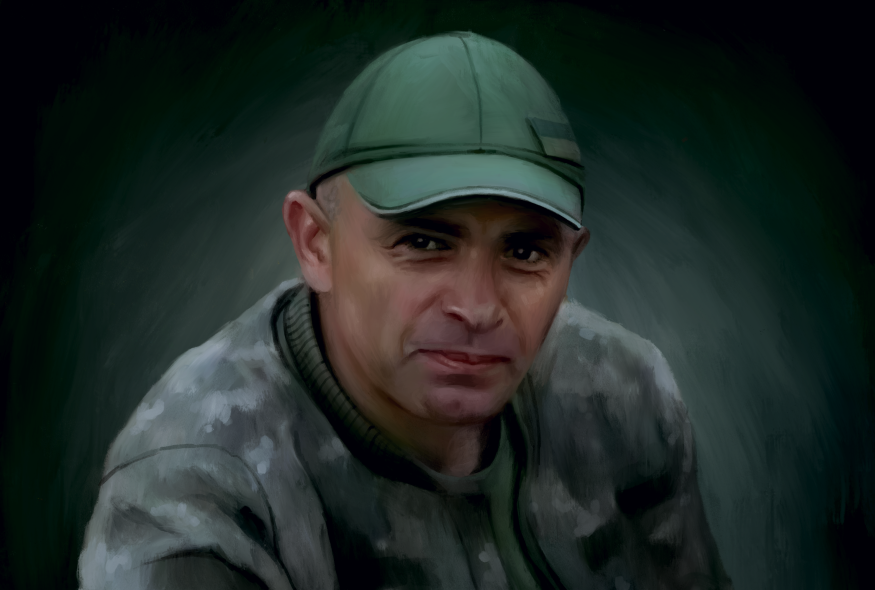
"Do you remember how Fiddler came to take part in our people’s self-defense?" Olena Bilozerka asked her husband. Then shrugged: Fiddler, as always, appeared out of nowhere.
Roma embarked on his military training in 2009. He was young, naive, and very thin back then. Where he lacked physical strength, he compensated with motivation. He had always dreamed of serving in the army. However, when Russia started the war in 2014, he was filled with despair as he realized he might have to stay behind. His wife was pregnant and asked him to remain at home. There was another problem—the military enlistment office refused to give him a draft notice because of his poor eyesight. Roma waited for two years until his daughter Sofia had grown up a bit, persuaded a friend to "hand" him a fake draft notice so that his family wouldn’t have any objections, and joined a volunteer battalion where such minor issues as poor eyesight were never taken into account.
The summer of 2016 found him in Marinka in Donetsk Oblast. The delicate young man sat by a Kalashnikov machine gun, which he dubbed Petrovich, and sorted through the music scores. Four hundred meters away from him, Russian soldiers swarmed in their trenches.
"It was very hot, humid, and quiet during the day. The battles started in the evening, as soon as it got cooler," Olena recalled. "But when Fiddler played at twilight, the shooting sometimes stopped. Both our soldiers and those on the other side listened."
However, Fiddler rarely managed to stop Russian shelling with his music. Usually, the shots became an accompaniment to his playing. "The enemy’s artillery accompanies Fiddler’s performance," Olena Bilozerka captioned videos of Fiddler’s playing.
Once, in Vodiane in 2017, a group of Ukrainian soldiers watched as shells landed one after another just 200 meters away from them.
After five minutes of continuous shelling, Strilok, a sapper, lit a cigarette and shouted to Fiddler, "Grab your guitar, we’ll sing songs." They sat in a circle in the open, not hiding from the salvos—careless and daring—although Roman occasionally glanced toward the exits.
"Let’s play ‘The Squad Didn’t Notice the Loss of a Soldier,’" said Strilok.
"Maybe we should at least put on helmets?" Fiddler asked, hearing the whistle of a shell.
"Let’s go with ‘Loss of a Soldier,’" they laughed grimly as if they had nothing to lose.
Roman started playing, singing the words with a nasal voice, while the rest joined in. The shells were landing very close, but Roman sang louder to drown out the sound of their approach. He skillfully controlled his voice, jumping up and down the notes, and despite the shelling, he immersed himself in the music.
"In Vodiane, there was no service down in the lowlands," Olena recalled. "To phone home, you had to climb up to an attic, which could be completely shot up."
Fiddler often climbed up to the attic and called his daughter Sofiia. "Once, he was telling her about life in the army, about the red dog Efka, the dog Shkavulyk, and the black cat Matumba. At that moment, a shell landed very close by. But without changing his position or tone, he continued: ‘I love you very much, Sofiia.’"
When Roma wasn’t playing music or firing from a machine gun, he was learning something new. These were often complex violin pieces, but he was fascinated by any kind of learning. In the army, he met a Georgian instructor named Miho and decided to learn Georgian. He followed him everywhere, repeating words and carefully writing them down in a notebook.
He loved neatness and order. "I remember waking up in the morning, and Roma was scrubbing the walls. He said he couldn’t sleep, so he decided to clean up," Maria recalled Roma’s method of dealing with insomnia.
Because of his love for cleanliness, he sometimes got into arguments.
"Roma had a heightened sense of justice and an explosive temperament. I had two dogs, Efka and Shkavulyk," Olena said. "Of course, they would run into our room and track their dirty paws on the mattresses. Roma scolded me so much for these dogs that I had to move into a separate room. Overall, he loved animals. He was the only one who sat with me at night when Efka was sick with enteritis. But when it came to order and cleanliness, he was uncompromising."
No matter where life took him, Roman tried to bring order there. In 2020, he joined the Spring on Granite protest outside the President’s Office in Kyiv. It was a cultural protest against the withdrawal of Ukrainian troops and the weakening of military support. He believed that they needed to prepare for the final battle with Russia and wasn’t opposed to "establishing a strong point in the center of Kyiv again," as Yaryna Chornohuz recalled. In the first two weeks of the protest, Roman tried to maintain order and cleanliness among the scattered sleeping bags, mats, and posters. "The wind adds chaos," he wrote, "but I’ll rest a bit and then get back to work."
He chose the toughest time for shifts—the dark, damp, and cold minutes before dawn. And when the sun rose, he took up his violin and started playing. "I often woke up to the sounds of the violin," Yaryna said. "I remember the locals complaining that we were disturbing their sleep. And Fiddler laughed: ‘I’m playing Brahms for you, and you say I’m disturbing you.’"
"Fiddler played in a way that the living heard the dead," recalled his friend and fellow soldier Viktor Pylypenko. The Spring on Granite was filled with the voices of the dead, including fallen brothers- and sisters-in-arms who gave their lives in battles with the Russian army. In April 2020, Yaryna and Roman organized a street concert to honor the memory of those who had died in the war since the start of the year.
"We got trench candles—one for each casualty," Yaryna recounted. "We wrote their names, and Fiddler played ‘The Four Seasons’ by Vivaldi over them. I’d heard him play Vivaldi on the front line many times. Somehow, I think he always remembered that concert, the flickering candles, and the names during those moments. There were many names."
Roman encountered the beginning of the full-scale invasion while serving with the 503rd Marine Battalion. He played a lot, as always, but when he came home on leave, he couldn’t pick up his violin.
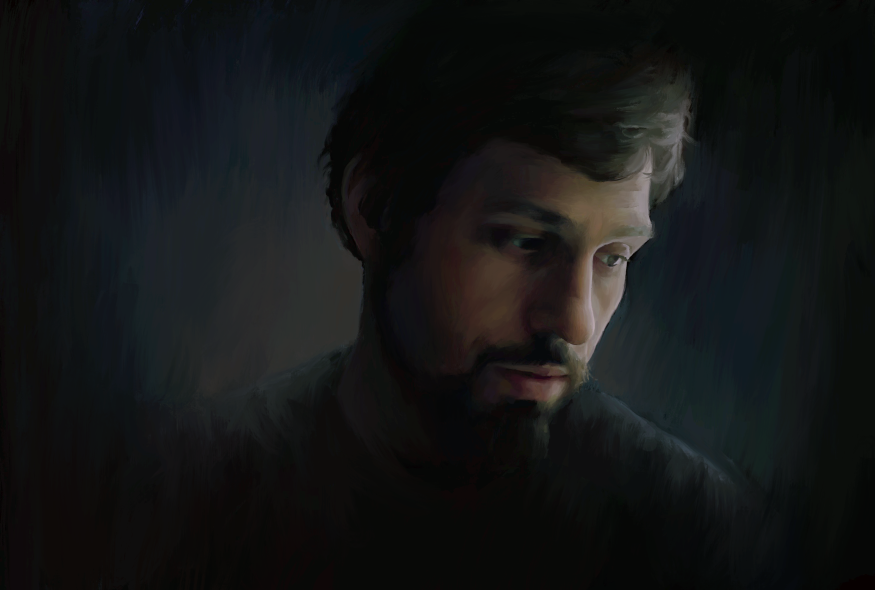
"It worried me," said Maria. "He always played, and he’d suddenly stopped. He didn’t want to see anyone, didn’t want to go anywhere. He just drank and then went back to the front line." He was getting tired. He only wanted to survive and break free. But where to? He didn’t think about that.
"We last met in Yevhenivka, in the Volnovakha district," recalled Yaryna. "We held back Russian columns but had to retreat because the Russian forces significantly outnumbered us." During this retreat, Fiddler was wounded but continued to fight, covering the withdrawal of his brothers- and sisters-in-arms. For this, he was awarded the Order of Courage.
"I called to congratulate him, and he didn’t even know he had been awarded," said Olena. "He was surprised and asked what he had done to deserve the order because he didn’t think he had done anything special."
"At our last meeting, I told him, ‘I’m glad you're alive.’ He replied, ‘I’m glad you’re alive too.’ And that’s it," Yaryna recounted. That was his plan—to live. "Beyond that, it’s up to fate," he once wrote.
On August 20, 2022, Roman Barvinok was killed in the village of Pisky in Donetsk Oblast by the direct strike of a shell on a trench dugout. His music now serves as an eternal reminder to remember those who appear out of nowhere and never leave their post, neither in the midday heat nor the piercing cold of dawn.
Read also:
We need your help to create projects and materials aimed to defend freedom of speech, popularize Ukrainian culture and values of independent journalism.
Your donation means support for discussions, awards, festivals, authors’ trips to regions and PEN book publications.